As part of our journey toward sustainable and responsible management, e.group has fully measured and offset the climate footprint generated by the company trip to the Mediterranean in October 2024. The initiative was carried out in collaboration with ClimatePartner, in accordance with international GHG Protocol standards.
The total footprint was calculated at 43.93 tonnes of CO₂ equivalent, with an additional 10% safety margin applied, bringing the total offset to 48.32 tonnes. To give a tangible sense of scale, this is equivalent to the emissions produced by a car traveling approximately 136,000 km.
The analysis included the main emission sources associated with the event:
| Emission Source | % of CO₂ |
|---|---|
| Employee mobility | 56.8% |
| Hotel stays | 30.6% |
| Catering and food consumption | 10.4% |
| Freight transport and logistics | 2.0% |
| Waste (waste + disposal) | 0.2% |
The offsetting project: a dual impact, local and global
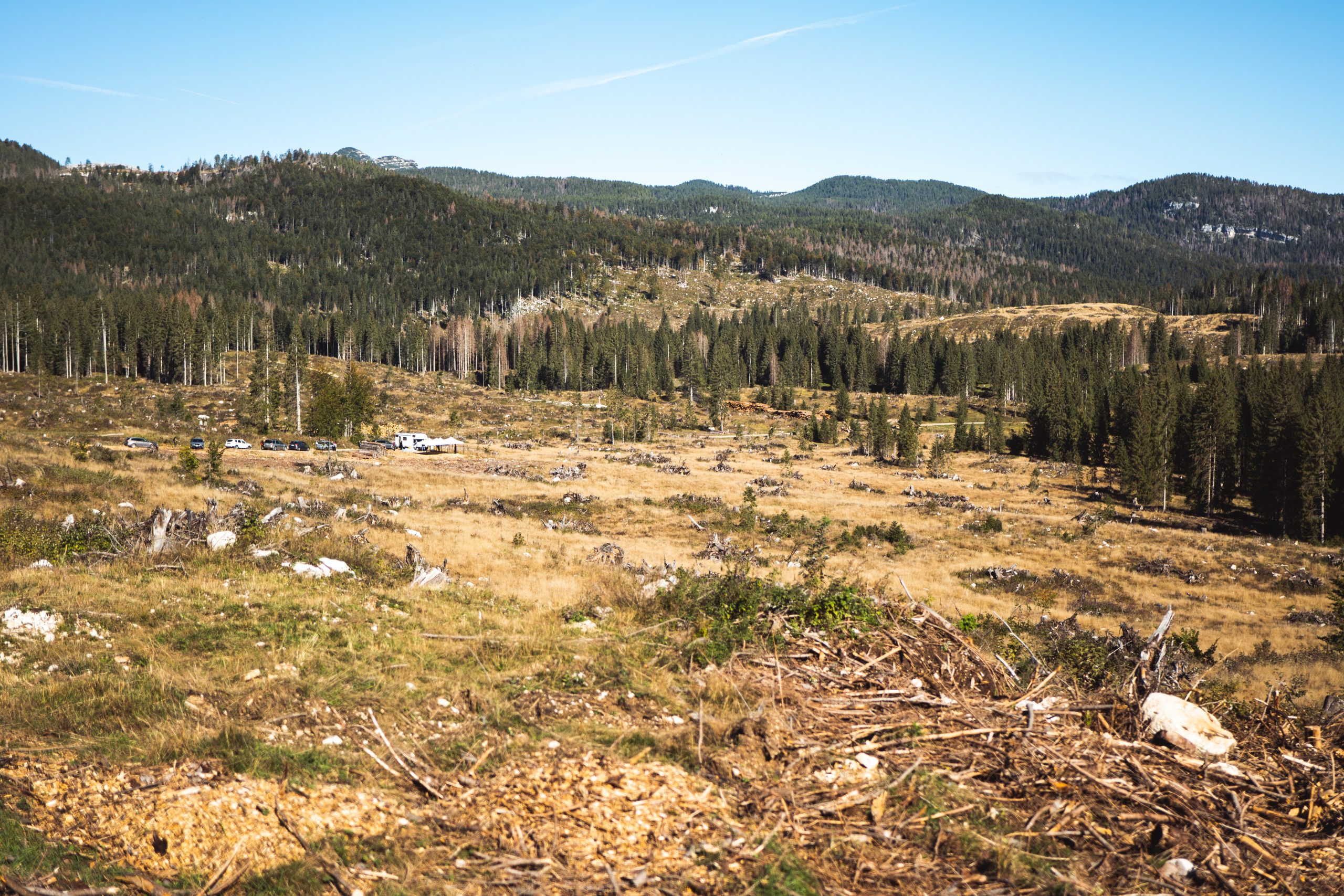
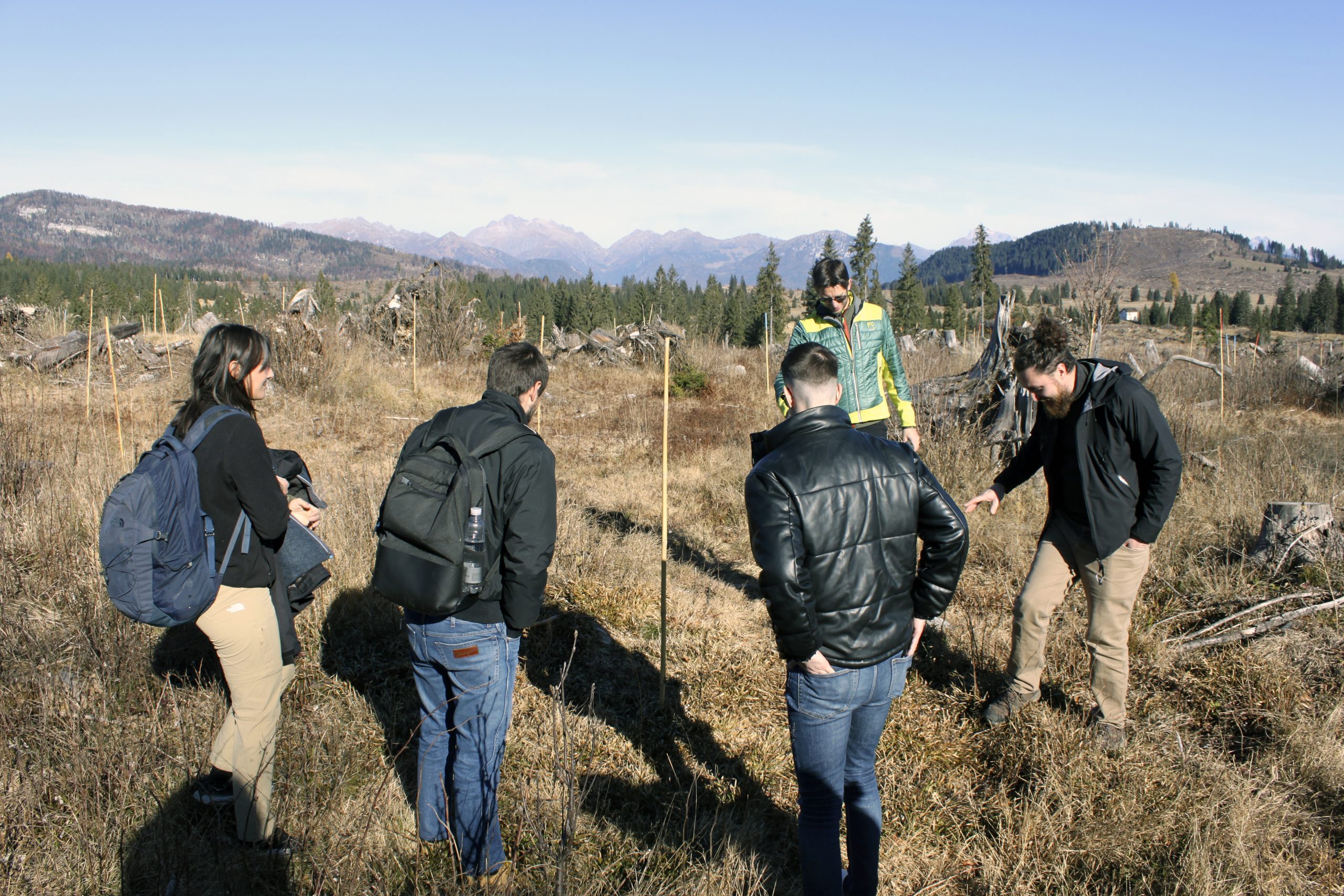
To offset these emissions, we chose to support a combined project with strong environmental and social impact: reforestation in the Veneto region, on the Asiago Plateau.
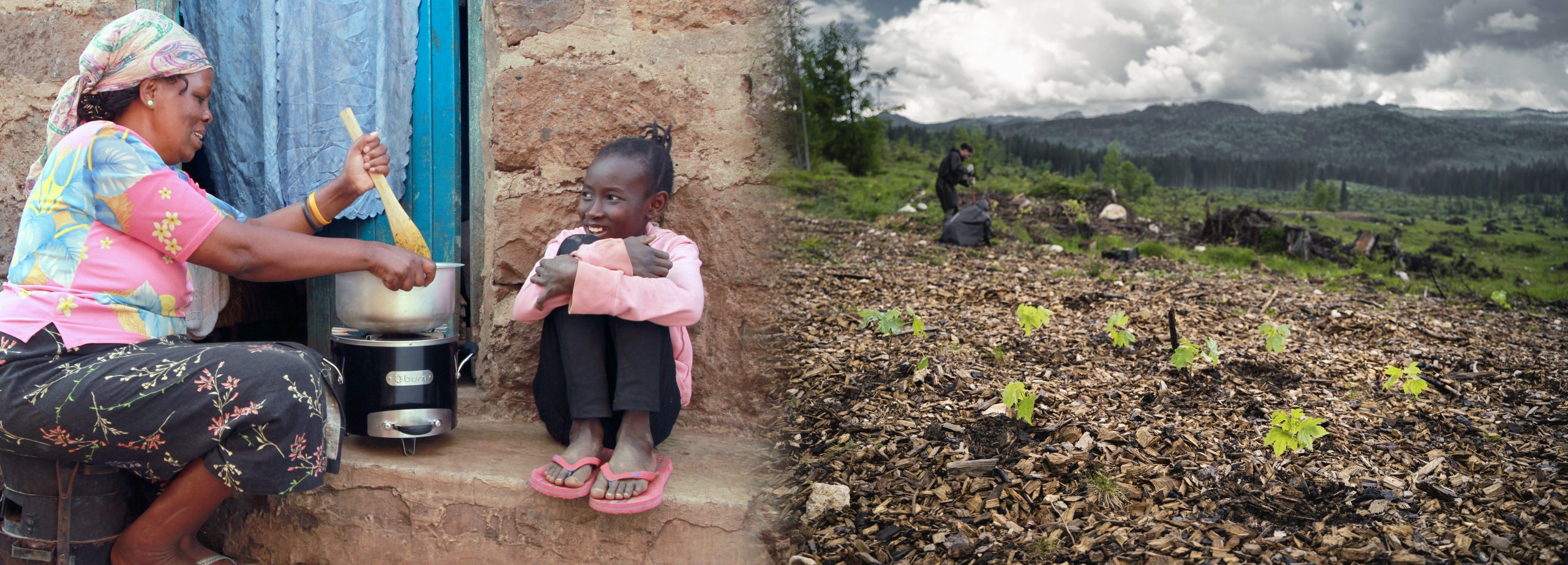
Following the devastation caused by Storm Vaia in October 2018, the Asiago Plateau (the “Plateau of the Seven Municipalities”) saw over 42,000 hectares of forest severely damaged. Our contribution supports the regeneration of resilient forest ecosystems through the planting of mixed, native species—better equipped to withstand future climate change and provide protection against extreme weather events.
High-efficiency cookstoves in Kenya – Certified Project (ID: 1209): In parallel, we support a certified project that provides low-impact cookstoves to local communities in Kenya. These devices improve indoor air quality, reduce the use of firewood, and lower CO₂ emissions. The project generates internationally recognized carbon credits.
Each tonne of CO₂ saved through the Kenya project also enables a direct contribution to local reforestation efforts in Italy, carried out in partnership with 4Tree.
By participating in a combined project, we integrate emissions offsetting through a certified climate protection initiative with a tangible commitment to safeguarding local ecosystems. Even in Europe, the effects of climate change are becoming increasingly evident, putting the balance of natural habitats at risk. Regional conservation initiatives are designed to preserve or restore resilient environments capable of adapting to ongoing climate transformations.
Planned actions include the protection of native forests, the preservation of plant and animal biodiversity, the restoration of peatlands, and the ecological conversion of agricultural land. The climate protection project we support is registered under internationally recognized standards, ensuring transparency, traceability, and a measurable impact in reducing global emissions.